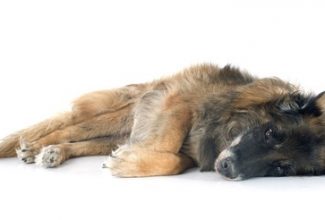
Dogs have individual personalities and react in different ways to stress and pain. Some dogs will let you know right away that they’re hurting while others will do everything in their power to mask discomfort. In general, however, dogs have a fairly high tolerance to pain. By the time you see clear signs of stress, your pet may have been uncomfortable for quite a while.
See more >>
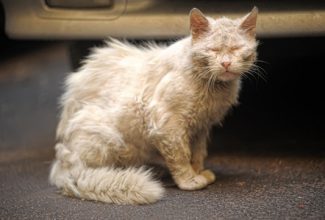
Cats are well-known for hiding obvious signs of pain or illness. It’s important to be vigilant in watching for any minor changes in their behavior in order to catch any problems early on. (I recently missed the early signs of arthritis pain in my own cat, Peanut Butter, which resulted in an ER trip for me and a full checkup at the veterinarian’s office for my cat.)
See more >>
Dog parks are popping up all over the place these days. Every major city has at least one, and hundreds of towns of all sizes now have parks where dogs are free to roam off leash. These grassy confines usually offer amenities such as toys, obstacle courses, fresh drinking water and areas reserved specifically for pets to “do their business.” There are also strict rules about how canines and humans alike should behave at dog parks.
See more >>
This week, the question is from Lori Hilliard, editor of “The Contemporary Pet.” We’re ALL still learning and are happy to take advantage of our wonderful contributors to answer our pet behavior questions.
“My dog Soldier always picks out a particular flower in my flower beds and will pee on that one flower each day until he kills it, then he’ll move on to another one.
See more >>
Oh, the thrill of celebrating the 4th of July! Crowds of family and friends, sparklers, firecrackers, fireworks, tons of food…all of it’s festive and fun – at least, it is for humans. For pets, our Independence Day celebrations can cause illness, anxiety, injuries and even death if we don’t take some steps to safeguard them. Dogs in particular are likely to suffer from anxiety and behave in uncharacteristic ways when they are subject to more noise, activity and (to their eyes) strange behaviors.
See more >>
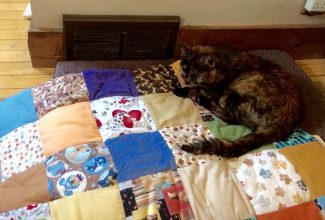
Peanut Butter, our cranky but lovable old cat, has staked out her territory on Soldier’s orthopedic dog bed and handmade dog quilt. We’re used to it; so is Soldier. In my experience (and I’ve had tons of it!), cats rule the roost in most homes where there is a cat and a dog in residence. It may be a Maine Coon Cat intimidating a tiny Teacup Chihuahua, which almost makes sense when you look at their respective sizes.
See more >>
If you ask dog owners how to prevent dog bites, many will say that their dog doesn’t bite, so it’s not an issue for them. Every responsible dog owner understands that they are responsible for the behavior of their dog, including whether it bites someone. Yet these same pet owners often dismiss concerns about potential dog bites by saying, “Oh, my dog would never do that.
See more >>
We have a question from another visitor today. If you have a dog that likes to eat feces, you aren’t alone. This unpleasant habit is more common than you think; studies have shown that as much as 20% – 25% of dogs eat feces at least occasionally. Natalie from New Jersey asked, “My dog loves to eat feces. He will eat it out of the cat’s litter box – gross!
See more >>
For the last 16 years, I have focused on puppy and adult canine socialization as a priority in my own life as well as at my business. The stories of having a pet that cannot be around other dogs, other people, children or grandchildren, cannot travel with the family, cannot board due to aggression, are endless for pet owners, including myself.
See more >>
Ask the Experts: My cat keeps chewing on my hair when I sit down. He’ll even get on the back of the couch and chew guests’ hair, which is embarrassing. Why is he doing this and how do I make him stop?
The Contemporary Pet says, “Many cats chew on their humans’ hair because they are “grooming” them or marking them as their own.
See more >>