August 4, 2017
Physical & Behavioral Signs Your Dog is in Pain
- 30 comments
- Behavioral Issues, General Health
- written by: Pruess Coulter Carleen
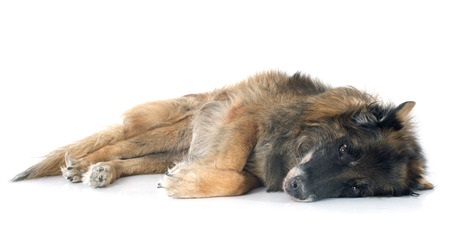
Dogs have individual personalities and react in different ways to stress and pain. Some dogs will let you know right away that they’re hurting while others will do everything in their power to mask discomfort. In general, however, dogs have a fairly high tolerance to pain. By the time you see clear signs of stress, your pet may have been uncomfortable for quite a while. Once you’ve seen signs of pain, it’s important to react quickly to relieve their suffering.
Physical Signs Your Dog is in Pain
There are certain physical symptoms of pain that you should be alert for in your pet, including:
- Favoring one leg over another or walking gingerly is a definite sign that something’s hurting him.
- Hunching or arching her back. Some dogs naturally arch their back or hunch their shoulders to try to minimize pain.
- Sudden changes in the way a dog sits can mean that she isn’t comfortable sitting in her normal position. Pay attention to posture – it can be an early indication of pain.
- Excessive panting or shallow breathing can indicate pain, particularly in the torso and chest area. If your pet hasn’t exerted himself and isn’t overheated, panting may mean your dog is in pain.
- Shuddering, trembling or shivering in the absence of excessive cold indicate that your dog may be in severe pain.
- Squinting the eyes may mean your buddy has painful eyes. Check the pupils. Pinpoint pupils are a sign of eye pain.
- Vomiting, diarrhea or constipation can all indicate illness and discomfort in a dog.
Behavioral Signs Your Dog is in Pain
There are also behavioral changes you may see in your pet that indicate she is in pain. These can happen in conjunction with physical symptoms, but can also be the only indicator of her distress. Behavioral signs of pain include:
- Over-Vocalizing. Many people overlook this pain indicator in dogs until they see other, more concrete signs of physical discomfort. Any time you can’t see a reason for your dog to be whimpering, whining or yelping, you should consider the possibility that he’s in pain.
- Growling or snarling for no apparent reason.
- Over-Grooming. Many dogs will chew on or lick their paws to try to soothe their pain. This is a part of their natural instinct to clean wounds and injuries, but the pain can be anywhere. Some dogs also paw at their face and eyes of they have facial pain.
- Shaking the head and rubbing the ears. These are frequently a sign that your dog’s ears are hurting from an infection or obstruction.
- Loss of appetite and thirst is common in sick or injured animals.
- Lack of sleep or too much sleep. Dogs who can’t seem to settle down for the night and who pace rather than lying down are often so uncomfortable they can’t find a good position for sleeping. Conversely, some dogs will sleep more than usual because their bodies are using a lot of energy for healing.
- Because each dog’s reaction to pain is unique, you need to be alert to specific personality changes. She may follow you around, begging for affection, or she may hide away somewhere because she’s too miserable to interact with you. Either way, if it’s not her normal demeanor, seek veterinary care.
- Aggression is another behavior that can be linked to pain. Never try to approach any dog who is growling or pinning back her ears.
If your dog is in pain, it’s essential to talk to your veterinarian, who can help you determine the cause and a course of treatment. If your dog shows one of more signs of pain that last more than twenty-four hours, a visit to the veterinarian is in order.
Leave a Reply
The Contemporary Pet Took the Pledge

FeedSpot Recognizes the Contemporary Pet!


30 Comments