December 20, 2016
The Shocking Truth About Holiday Pet Adoptions
- 30 comments
- Food & Eating Issues, General Pet Info, Holiday Topics
- written by: Pruess Coulter Carleen
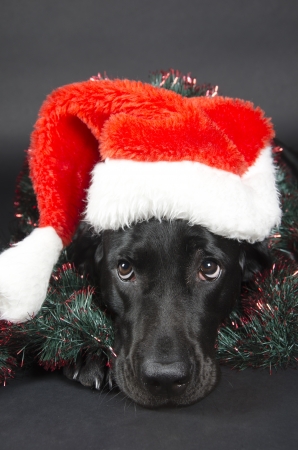
An adorable puppy or a tiny, mewing kitten sounds like the perfect holiday gift. Parents often pick out a new pet for their children and then keep it at the breeders or have friends watch it until Christmas Eve, when they smuggle it into the house and put it under the Christmas tree for their children to find the next morning. Unfortunately, the reality of holiday pet adoptions almost never lives up to the perfect scene parents imagine. Instead, Mom or Dad spend the night trying to comfort a sad, confused animal and mopping up accidents on the carpet. The first several weeks of pet ownership will also challenge the entire family, particularly if the adoption is tied to a holiday such as Christmas or Easter. The shocking truth is that the holidays are the WORST time to adopt a pet and most animal advocacy groups warn against it.
Holiday Pet Adoptions are Often Selfish
Holiday pet adoptions are often inspired by selfish reasons because you’re bringing a new member into the household at precisely the time when you have the least amount of time to spend with your new puppy or kitten. Since they’ve been recently weaned and are in a new, confusing environment, any new pet will naturally need lots of extra time and attention that you don’t have. While you may love the idea of a pet with a Christmas bow around his neck, remember that adopting a pet is akin to adopting a baby. The hectic, over-scheduled holidays are filled with other commitments and you won’t be able to give your new family member the attention they deserve.
Holiday Pet Adoptions Practically Guarantee Failure
 Pets are most likely to thrive when they are comfortable in their environment and they have a routine that they can count on. When they Holiday are introduced into a new home, having a routine will help them learn quickly what is expected of them and what they can and can’t do. The chaos and constant distractions of the holidays – guests in and out of the house, new people, new things to investigate and lots of frightening sights and sounds – sets pets up for failure. All the commotion is a distraction from what they are expected to learn. It can also distract the people who are supposed to be taking a pet for a walk or cleaning out a litter box, leading to additional distress for pets who are already confused and frightened. It’s almost impossible for new family pets to learn the rules of the house at the holidays, when many of those rules are temporarily thrown out the window.
Holiday Pet Adoptions Aren’t Just Another Christmas Gift
Children are always excited when they open their Christmas or Hanukkah gifts. They’ll spend lots of time playing with their new gifts for the first few weeks, but after a few weeks or months, their interest fades. Pets can get lost in the shuffle, being overlooked and relegated to a chore that has to be done when they are just one more gift of many. Children may get the impression that their puppy or kitten is a gift that has no more permanency than a doll or board game that is shoved in a drawer and forgotten. A pet adoption should be an event in and of itself, not just one gift among many.
Holidays Are Dangerous for New Pets
 There are dangers for pets in any household, but at Christmas, Hanukkah, Easter and other holidays, those dangers increase exponentially. Everything from pine needles to Hanukkah gelt can make an inquisitive pet sick if ingested. You don’t want to spend your holiday at the veterinarian’s office getting your puppy’s stomach pumped! Holly, mistletoe, Amaryllis and rich, seasonal foods are also dangerous for pets. Candles, potpourri, water for Christmas trees and broken ornaments can also injure, poison or burn curious animals. Family members are already busy during the holidays and may not be able to constantly monitor a new pet. It takes just a few minutes for a pet to get into something that will make them sick enough to need a veterinarian’s care.
Pets may also run away because they are frightened or confused during the holidays. Friends and family coming in and out of the house means doors opening and closing frequently. A new pet can dash out the door before anyone can stop them or get accidentally closed into a room for hours at at a time.
Small Holiday Pets Are Sometimes Injured or Killed
If you’re planning on giving your children a small pet such as a hamster, chick or bunny for the holidays, think again. The American Humane Society says that the majority of these small animals are injured or inadvertently killed by young children in the weeks following holidays. Through no fault of their own, children may simply be too rough when playing with small animals, leading to broken bones and other injuries. Smaller pets are extremely vulnerable and aren’t the best choice for a first pet. Hamsters, chicks and bunnies require consistent temperatures and specific foods and may die due to unintentional neglect. If you do decide to go this route, purchase the pet after the holidays are over and educate your children on how to handle small creatures safely.
If you are determined to get a pet for your family, it’s best to forego holiday pet adoptions. Instead, wait for a time when life becomes more routine and it will be easier to give a pet the appropriate amount of attention. If you want to give a present to your children, consider putting together some pet related items such as pet bed, a collar and a leash along with a “gift certificate” from the local shelter. When things have settled down and there’s more of a routine, the whole family can visit the shelter together and choose a pet to take home. With proper time and attention, your new pet will succeed with their training and become a happy member of the family.
Leave a Reply
The Contemporary Pet Took the Pledge

FeedSpot Recognizes the Contemporary Pet!


30 Comments